


The Critical Role of Customer Experience in Achieving Business Success
In today's competitive business landscape, where choices are abundant and consumer expectations are high, prioritizing customer experience is no longer an option; it's a necessity. Exceptional customer experiences play a pivotal role in shaping a company's success, impacting various aspects of its operations and reputation. In this blog post, we will delve into why customer experience is critical for a company's prosperity and growth.
1. Customer Loyalty: The Foundation of Sustained Success
Positive customer experiences create a bond between consumers and a brand. When customers feel valued, heard, and satisfied, they are more likely to remain loyal. Loyal customers not only return for repeat business but also become advocates, referring friends and family. This loyal customer base is the bedrock upon which a company’s long-term success is built.
2. Competitive Advantage: Standing Out in a Crowded Market
In today’s crowded marketplace, where similar products and services abound, it’s often the customer experience that sets a company apart. A business that consistently delivers exceptional experiences gains a competitive edge. Customers are naturally drawn to companies that go above and beyond to meet their needs and expectations.
3. Revenue Growth: The Direct Correlation with Satisfaction
Satisfied customers are not only more likely to return but also tend to make larger purchases. They trust the brand, which leads to increased spending. Thus, prioritizing customer satisfaction directly contributes to revenue growth.
4. Cost Savings: The Power of Preventing Problems
Exceptional customer experiences have another hidden benefit – they reduce the need for extensive customer support. Happy customers are less likely to encounter problems or require assistance, leading to cost savings in customer service operations.
5. Brand Reputation: A Precious Asset
A positive customer experience is synonymous with a strong brand reputation. Companies that consistently delight their customers earn trust and admiration. A good reputation attracts new customers and retains existing ones, creating a virtuous cycle of brand growth.
6. Adaptability: Staying Relevant in a Changing Market
Customer feedback is a goldmine of information. Companies that actively seek and listen to customer input can adapt quickly to changing market demands and preferences. This adaptability ensures that they remain relevant and continue to meet customer expectations.
7. Data-Driven Insights: Fueling Innovation
Customer feedback isn’t just about addressing problems; it’s a rich source of insights for product and service improvement. Companies can innovate and refine their offerings based on the valuable data and suggestions provided by their customers.
8. Employee Satisfaction: A Ripple Effect
Happy customers often lead to happier employees. When employees see that their efforts result in satisfied customers, it boosts their morale and job satisfaction. This positive feedback loop between customer and employee satisfaction can create a harmonious work environment that further enhances the customer experience.
In essence, customer experience is not an isolated aspect of business but an integral part of achieving long-term success. By focusing on providing exceptional experiences, companies can drive revenue, reduce costs, and enhance their overall reputation and competitiveness. In today’s customer-centric world, making customer experience a top priority is the key to thriving and prospering in the marketplace.
Why is Smartshoring important to a call center operation?
Smartshoring is an important component in call center operations for several reasons:
1. Cost-efficiency: Call centers often handle a large volume of customer interactions, which can be labor-intensive. Smartshoring allows call centers to optimize costs by leveraging the advantages of offshoring while maintaining local expertise for specialized tasks. Offshore teams can handle routine inquiries, while onshore teams can focus on complex or high-value interactions, resulting in cost savings without compromising service quality.
2. Extended operating hours: Smartshoring enables call centers to provide round-the-clock support by taking advantage of time zone differences. Offshore teams can handle calls during non-peak hours or overnight, ensuring uninterrupted service for customers in different regions. This flexibility in operating hours enhances customer satisfaction and improves the overall customer experience.
"Smartshoring helps mitigate risks associated with localized disruptions"
3. Scalability: Call center demand can fluctuate, requiring flexibility in staffing levels. Smartshoring allows call centers to scale their operations up or down quickly to meet changing needs. Onshore and offshore teams can be adjusted based on call volume, ensuring efficient resource allocation and cost management.
4. Multilingual support: Many call centers serve customers from diverse linguistic backgrounds. Smartshoring allows call centers to access offshore resources with language skills specific to different regions. This enables the provision of multilingual support, improving communication and customer satisfaction for non-native language speakers.
5. Knowledge transfer and expertise sharing: Smartshoring facilitates knowledge transfer between onshore and offshore teams. This exchange of best practices, insights, and expertise enhances the overall capabilities of the call center. Offshore teams can bring new ideas and perspectives, while onshore teams can provide guidance and mentorship, fostering a culture of continuous improvement.
6. Risk diversification: Smartshoring helps mitigate risks associated with localized disruptions. By spreading call center operations across different locations, businesses can minimize the impact of unexpected events such as natural disasters, political unrest, or technology outages. This diversification ensures business continuity and reduces the vulnerability of the call center.
Overall, smartshoring in call center operations combines cost-efficiency, extended service hours, scalability, language support, knowledge sharing, and risk diversification, making it a valuable strategy for optimizing call center performance and enhancing customer satisfaction.
Best strategies for call centers; call deflection with ai and digital channels

Combining AI with digital channels can be a powerful way to deflect calls and improve the customer experience. Here are some strategies that call centers can use to effectively deflect calls with AI and digital channels:
Chatbots
Implement chatbots and voice assistants: Chatbots and voice assistants can provide customers with quick and accurate responses to their inquiries, reducing the need for them to call the call center. They can be integrated with digital channels such as messaging apps, websites, and mobile apps, allowing customers to reach out to the call center in a way that is convenient for them.

Predictive Analytics
Self-Service Options
Sentiment Analysis

Omnichannel Routing
Proactive Notifications
Overall, call centers can use a combination of these strategies to effectively deflect calls and improve the customer experience across digital channels. By leveraging the power of AI and digital channels, call centers can reduce costs, increase efficiency, and improve customer satisfaction.
Read more....
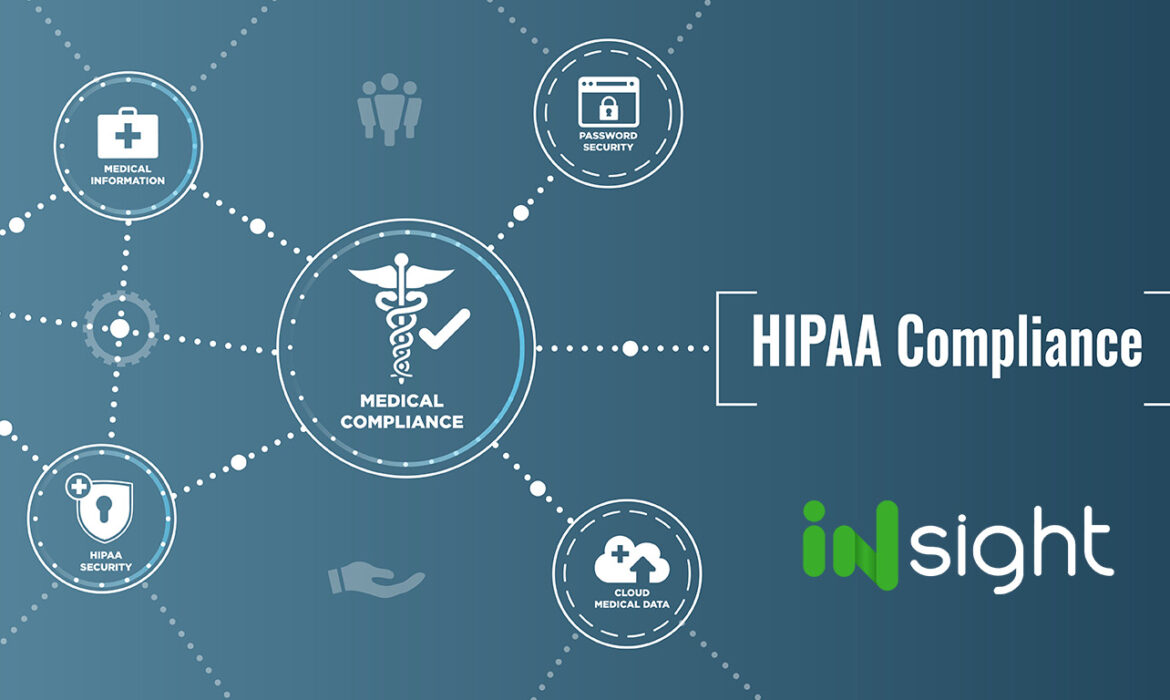
“Achieving Compliance and Exceptional Customer Service: Insight Communications Digital Care Campaign in Alignment with HIPAA”
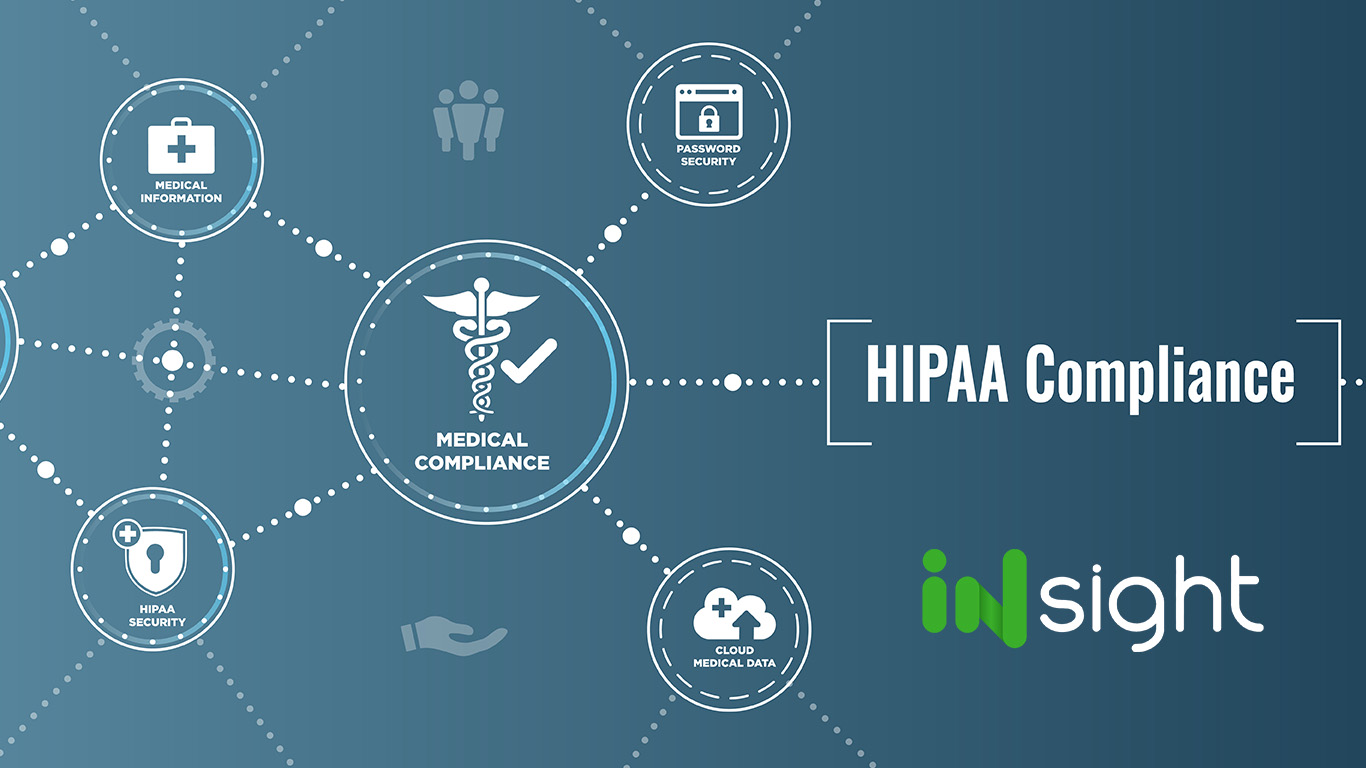
Maintaining compliance with HIPAA regulations while delivering exceptional customer service is of utmost importance in the healthcare industry. This article presents Insight Communications’ success story, highlighting their partnership with a Medicare Advantage plan and the implementation of a Digital Care campaign that maximized key performance indicators (KPIs) and customer experience (CX), all while ensuring strict compliance with HIPAA regulations.
Ensuring HIPAA Compliance:
Insight Communications and the Medicare Advantage provider prioritized HIPAA compliance by implementing rigorous protocols. To safeguard protected health information (PHI), Insight’s Customer Service representatives underwent comprehensive training. They were equipped with the necessary knowledge and skills to handle customer inquiries while protecting PHI and complying with HIPAA regulations.
Verifying Customer Identities and Authorized Information Sharing: Insight’s Customer Service representatives were trained to follow strict procedures when handling customer inquiries involving PHI. A crucial aspect of this training involved verifying customer identities before sharing any PHI. By implementing stringent identity verification measures, Insight ensured that customer information was only accessed and shared by authorized individuals.
Additionally, Insight’s representatives were well-versed in the principle of least privilege, sharing information only with authorized individuals who had a legitimate need for access. This practice further enhanced the security and confidentiality of customer information, aligning with the HIPAA regulations.
The Digital Care Campaign:
Building upon their commitment to HIPAA compliance, Insight Communications led the Digital Care campaign for the Medicare Advantage provider. This campaign focused on delivering accurate and proactive communication to plan members while ensuring the privacy and security of their PHI. By adhering to HIPAA regulations and following robust procedures, Insight’s Customer Service representatives effectively communicated member benefits, changes, and other relevant information, fostering trust and loyalty among plan members.
Key Performance Indicators (KPIs):
To measure the success of the Digital Care campaign, Insight Communications and the Medicare Advantage provider considered several KPIs:
- Adherence: Ensuring compliance with call handling procedures and protocols.
- Customer Satisfaction (CSAT): Evaluating member satisfaction through surveys and feedback.
- Net Promoter Score (NPS): Assessing member loyalty and willingness to recommend the plan.
- Abandonment Rate: Monitoring the percentage of calls abandoned by members.
- Grade of Service (GOS): Measuring the quality of interactions and service delivery.
- Average Speed of Answer (ASA): Determining the average time taken to answer member calls.
- Call Quality: Assessing the quality and effectiveness of customer interactions.
- Attrition: Tracking member retention and minimizing plan turnover.

Driving Customer Satisfaction and Business Success:
Insight Communications’ Digital Care campaign, aligned with HIPAA compliance and the designated KPIs, resulted in significant improvements in customer satisfaction, member retention rates, and overall business success for the Medicare Advantage provider. By providing personalized and timely communication while adhering to HIPAA regulations, Insight Communications demonstrated its commitment to protecting PHI and fostering positive member experiences.
In conclusion, Insight Communications’ successful implementation of the Digital Care campaign showcases the ability to prioritize both compliance and exceptional customer service within the healthcare industry. Through extensive training and adherence to HIPAA regulations, Insight’s Customer Service representatives effectively protected PHI, verified customer identities, and shared information only with authorized individuals. This commitment to HIPAA compliance, combined with their strategic focus on KPIs, contributed to improved customer satisfaction, member retention, and overall business success for the Medicare Advantage provider.

“Successful Digital Sales Campaign in Telecom Industry”
Broadband service providers are constantly seeking ways to improve their sales campaigns and customer service. One effective strategy that has proven successful is the use of Contact Center representatives.
Insight Contact Center representatives were trained to provide customer support and sales assistance to customers through various channels such as phone, email, chat, and social media. The campaign strategy was focused on providing a more personalized and efficient customer experience, resulting in higher customer satisfaction and retention rates.
Insight adopted a multi-channel approach to engage with potential customers, utilizing phone, email, and chat to provide the necessary information about their services and help customers choose the best plan that suits their needs. The representatives provided exceptional customer service, and they ensured that all interactions with potential customers were courteous, informative, and personalized.
The team took the time to understand the customers’ requirements and provided them with relevant information about the various broadband packages available, their speeds, and other relevant features.
One key strategy that helped the sales campaign was the use of data analytics. Our representatives used data to analyze customer behavior, identify trends, and personalize their sales pitch accordingly. For example, if a customer had previously expressed interest in a certain package, the representative would offer them a personalized package that would meet their specific needs.
Also, the team incentivized the contact center representatives to sell more broadband packages.
"Insight provided ongoing training to the contact center representatives to ensure that they were up to date with the latest products, services, and sales techniques"
Insight offered bonuses and rewards to representatives who exceeded their sales targets, which motivated them to provide exceptional customer service and close more deals.
Moreover, Insight provided ongoing training to the contact center representatives to ensure that they were up to date with the latest products, services, and sales techniques. This training helped representatives to provide accurate information and assist customers in making informed decisions.
As a result of the sales campaign through contact center representatives, our customers saw a significant increase in their customer acquisition and retention rates. They were able to provide a more personalized and efficient customer experience, resulting in higher customer satisfaction and loyalty.
“The Future of Contact Centers: 5 Trends to Watch”

The contact center industry has seen tremendous changes in recent years, with technology playing a major role in transforming the way businesses interact with their customers. As we look to the future, there are several trends that are shaping the contact center landscape and driving innovation in the industry. In this article, we explore five key trends to watch in the coming years.
The Rise of Artificial Intelligence

Artificial intelligence (AI) is already having a major impact on the contact center industry, and its potential is only growing. AI-powered chatbots and virtual assistants are becoming increasingly common, providing customers with quick and efficient answers to their questions. In addition, AI is being used to analyze customer interactions and provide valuable insights into customer behavior and preferences. As AI technology continues to evolve, we can expect to see even more innovative solutions that transform the way we think about customer service.

The Move to Cloud-Based Systems
Cloud-based contact center solutions are becoming increasingly popular, offering businesses greater flexibility and scalability than traditional on-premises systems. With cloud-based solutions, contact centers can quickly and easily scale up or down as needed, without the need for expensive hardware upgrades. In addition, cloud-based systems are typically more cost-effective, as they eliminate the need for expensive infrastructure and maintenance. As more businesses recognize the benefits of cloud-based systems, we can expect to see continued growth in this area.
Omnichannel Support

The Increasing Importance of Omnichannel Support
Customers today expect to be able to interact with businesses on their preferred channels, whether that’s phone, email, chat, social media, or SMS. To meet these expectations, contact centers must provide omnichannel support that seamlessly integrates all these channels into a single, cohesive customer experience. This requires sophisticated technology and careful planning to ensure that customers receive consistent and personalized support, no matter which channel they use.

The Emergence of Voice Biometrics
Voice biometrics is a technology that allows contact centers to identify customers based on their unique voice patterns, eliminating the need for cumbersome security measures like passwords or PINs. This technology is becoming increasingly popular, as it offers a more seamless and secure customer experience. In addition, voice biometrics can help contact centers identify fraudsters and other bad actors, protecting both the customer and the business.
The Growing Importance of Employee Experience
Finally, as the contact center industry becomes more competitive, businesses are recognizing the importance of employee experience in delivering great customer service. Happy, engaged employees are more likely to provide exceptional customer support, which is why many contact centers are investing in employee engagement and training programs. This includes providing agents with the tools and technology they need to do their jobs effectively, as well as offering opportunities for career growth and advancement.
In conclusion, the future of the Contact Center in Puerto Rico is bright, with technology playing a major role in driving innovation and transformation. As businesses look to provide exceptional customer service in an increasingly competitive landscape, they must stay ahead of these five key trends to deliver the best possible customer experience.
“Benefits of Outsourcing vs Internal Contact Center”
In today's global marketplace, customer service is a key component of any business. It's the foundation of a company's reputation, customer retention, and ultimately, its success. One of the biggest decisions that companies have to make when it comes to customer service is whether to outsource their contact center or keep it internal. Both options have their pros and cons, but outsourcing can offer some significant benefits.
Here are some of the benefits of outsourcing a contact center versus an internal contact center:
Cost savings
Outsourcing a contact center can be significantly cheaper than maintaining an internal one. An external service provider will already have the necessary infrastructure, technology, and staff in place to handle your customer service needs. This means that you won’t have to invest in expensive equipment or hire and train staff, which can be time-consuming and costly.
Scalability
Outsourcing allows you to easily scale up or down your customer service operations as needed. If your business experiences a sudden increase in customer demand, your external service provider can quickly allocate additional staff and resources to meet your needs. On the other hand, if your business experiences a slowdown, you won’t be burdened with the cost of excess staff and equipment.
Access to specialized expertise
An external service provider will have specialized expertise and experience in customer service. This means that they will be able to provide a higher level of service than an internal team that may not have the same level of experience or training. Additionally, external service providers can offer a wider range of services, such as multilingual support or 24/7 availability, that may not be feasible for an internal team.
Flexibility
Outsourcing a contact center allows you to focus on your core business operations, rather than worrying about managing your customer service team. This gives you more flexibility to respond to changing market conditions and customer demands. Additionally, an external service provider can be more flexible in terms of working hours and location, which can be beneficial if you have customers in different time zones or geographic locations.
Improved customer satisfaction
Outsourcing your contact center can lead to improved customer satisfaction. External service providers are typically able to provide faster response times, more accurate information, and higher levels of customer service than internal teams. This can result in happier customers, higher retention rates, and increased revenue.
In conclusion, outsourcing a contact center can provide significant benefits over an internal contact center. From cost savings to improved customer satisfaction, outsourcing can help your business operate more efficiently and effectively.
“The Benefits of Contact Center BI: How Business Intelligence Can Improve Your Operations”
Contact centers are the backbone of many organizations, serving as the primary point of contact for customers seeking support, assistance, or information. To ensure that contact centers are operating efficiently and providing high-quality service to customers, organizations are increasingly turning to business intelligence (BI) solutions.
Contact center BI involves the use of data and analytics to gain insights into the performance of contact center operations, agents, and customers. By collecting data from various sources, such as call logs, customer interactions, agent performance metrics, and customer feedback surveys, contact center managers can gain a deeper understanding of their operations and make data-driven decisions to improve them.
One of the key benefits of contact center BI is improved customer satisfaction. By analyzing customer interactions and feedback, contact centers can identify areas for improvement and make changes to better meet the needs and expectations of customers. For example, by analyzing call logs, contact centers can identify common issues or complaints that customers are experiencing and take steps to address these issues.
Another benefit of contact center BI is increased operational efficiency. By monitoring and analyzing key performance metrics, such as average handle time, call volume, and call abandonment rate, contact center managers can identify bottlenecks in the contact center process and make changes to improve efficiency. For example, if a particular agent is consistently taking longer than average to handle calls, contact center managers can provide additional training or coaching to improve the agent’s performance.
Contact center BI can also help enhance agent performance. By monitoring and analyzing agent performance metrics, such as first call resolution rate, customer satisfaction scores, and average handling time, contact center managers can identify training and coaching opportunities to help agents improve their skills and provide better service to customers. For example, if an agent is consistently receiving low customer satisfaction scores, contact center managers can provide additional training on customer service skills.
Finally, contact center BI provides contact center managers with valuable insights that can be used to make better decisions. By analyzing data on call volume, call types, and agent performance, contact center managers can make data-driven decisions to improve operations and better meet the needs of customers. For example, if call volume is consistently high during a particular time of day, contact center managers can adjust staffing levels to better meet the demand.
In conclusion, contact center BI is a powerful tool for organizations looking to improve the performance of their contact centers. By collecting and analyzing data on operations, agents, and customers, Contact center puerto rico managers can identify areas for improvement and make data-driven decisions to improve efficiency, enhance agent performance, and improve customer satisfaction. With the right BI tools and techniques, organizations can gain a competitive advantage by providing high-quality service to customers and improving their overall operations. .
” Why Customer CX is Critical for Success”
In today’s digital world, consumers have more options than ever before, which means that companies must prioritize customer experience (CX) to remain competitive. CX refers to the sum of all interactions a customer has with a company, including the buying process, customer service, and post-purchase support. In this blog post, we will explore why CX is critical for success and how companies can improve their CX to gain a competitive advantage.
CX can make or break a business: CX strategy consultant in puerto rico plays a significant role in determining a company’s success or failure. When a customer has a positive experience with a company, they are more likely to remain loyal, purchase from them again, and even recommend them to others. On the other hand, a negative experience can drive customers away and damage a company’s reputation. With social media and online reviews, it’s easy for customers to share their experiences, which means that one bad experience can quickly spread to a much broader audience.
CX influences customers’ purchasing decisions: A positive CX can also influence a customer’s purchasing decision. A recent study found that 86% of buyers are willing to pay more for a better CX. Customers want a seamless, personalized experience, and companies that can deliver that are more likely to win their business. By offering unique and tailored solutions to their customers’ needs, companies can create strong brand loyalty.
CX gains competitive advantage: Companies that prioritize CX gain a competitive advantage over those that don’t. By focusing on CX, businesses can differentiate themselves in the market and become the preferred choice for customers. Research indicates that companies that prioritize CX outperform their peers by nearly 80%. Additionally, by providing an outstanding CX, companies can generate positive word-of-mouth marketing and attract new customers effortlessly.
CX boosts employee morale: Organizations that prioritize CX also benefit from increased employee morale. When employees are empowered to provide a positive CX, they feel more engaged and motivated to perform their jobs well. They see the impact their hard work has on the business and feel valued as a result. By investing in employees’ training and development, companies can create a more customer-centric culture that benefits both employees and customers.
Tips for improving CX: to listen, respond, and adapt to their customers' needs
- Collect feedback: Use customer surveys, focus groups, and social media to understand your customers’ needs and preferences.
- Empower employees: Support employees in their efforts to provide excellent customer service by providing them with the necessary tools and training.
- Personalize the experience: Tailor solutions to meet each customer’s individual needs.
- Resolve issues quickly: Respond promptly to customer complaints to minimize the negative impact on their experience.
- Innovate: Continuously innovate to remain competitive in a rapidly evolving marketplace.
In conclusion, CX is critical for success, and companies that prioritize it will have a significant advantage over those that don’t. By focusing on CX, companies can differentiate themselves in the market, retain loyal customers, and generate positive word-of-mouth marketing. Additionally, investing in employees’ training and development helps create a better customer-centric culture within the organization. Improving CX requires companies to listen, respond, and adapt to their customers’ needs continually. By following these tips, businesses can build strong, long-lasting relationships with their customers and achieve success in today’s competitive world.
“The Power of Empathy in Customer Service”
The quality of customer service can make or break a business. Good customer service goes beyond just resolving issues or answering questions. It’s about creating a positive experience for the customer that leaves them feeling valued and heard. One of the most effective ways to achieve this is through empathy. Empathy is the ability to understand and share the feelings of another person. In the context of customer service, it means putting yourself in the shoes of the customer and understanding their perspective. In this blog post, we’ll explore the power of empathy in customer service and how it can benefit both the customer and the business.
1. Builds Trust and Loyalty: Customers are more likely to trust and be loyal to a business that they feel understands and cares about them. When a customer feels validated and heard, it builds a foundation of trust between them and the business. Empathy in customer service can help establish strong relationships with customers and foster loyalty, which can lead to repeat business and referrals.
2. Improves Problem Solving: One of the key elements of good customer service is problem-solving. When a customer has an issue, they expect prompt and effective solutions. Empathy can help improve problem solving by allowing you to understand the customer’s perspective and needs. This allows you to find a solution that is specifically tailored to their situation, increasing the likelihood of resolving the issue to their satisfaction.
3. Enhances Communication: Empathy can also enhance communication between the business and the customer. When a customer feels understood, they are more likely to engage in conversation and provide feedback. This can lead to more meaningful conversations and a better understanding of the customer’s needs and expectations. The business then has the opportunity to make improvements based on this feedback, leading to better products and services.
4. Boosts Employee Morale: Empathy is not just beneficial for the customer, it can also boost employee morale. Customer service representatives who are able to demonstrate empathy are more likely to feel a sense of purpose and job satisfaction. It allows them to connect with customers on a deeper level, which can create a more meaningful and rewarding work experience. This can lead to lower turnover rates and higher employee retention.
5. Creates a Positive Reputation: Finally, empathy in customer service can help create a positive reputation for the business. Word of mouth and online reviews are powerful tools for potential customers. Positive reviews and testimonials that highlight excellent customer service can help a business stand out from the competition. By prioritizing empathy in customer service, businesses can build a positive reputation that attracts and retains customers.
"Empathy is not just beneficial for the customer, it can also boost employee morale"
Empathy in customer service is more than just a buzzword. It’s a powerful tool that can benefit both the customer and the business. By understanding and sharing the feelings of the customer, businesses can build trust, improve problem solving, enhance communication, boost employee morale, and create a positive reputation. Prioritizing empathy in customer service can lead to long-term benefits for the business, including increased customer satisfaction, loyalty, and profitability. So, next time you’re interacting with a customer, remember the power of empathy and how it can transform the customer experience.